How AI Memory Works: Context Windows vs Long-Term Memory
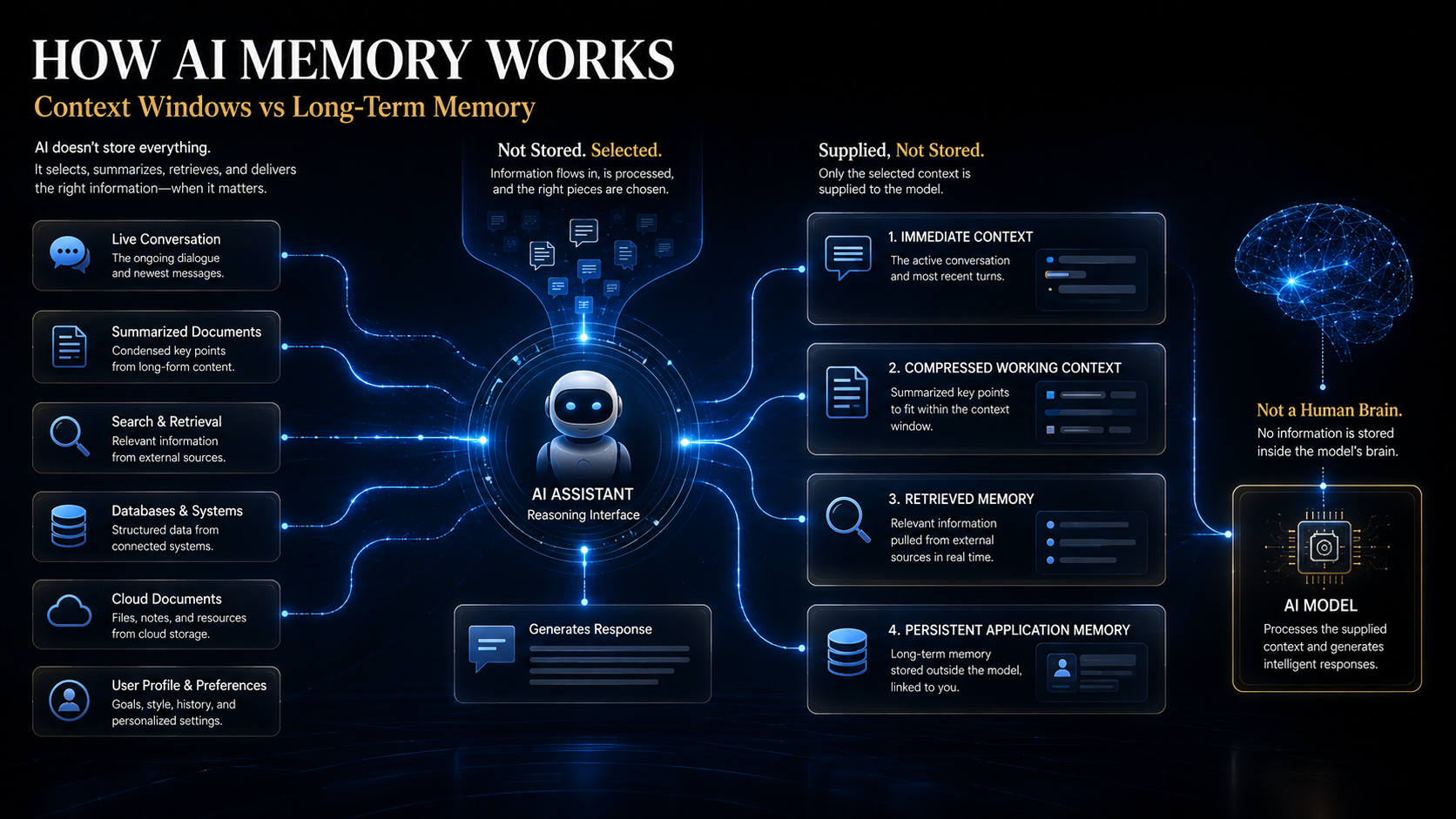
AI memory is not one technology. Learn how context windows, summaries, retrieval, RAG, and persistent memory work together—and why AI sometimes forgets.
Plain-English explanations of how AI works under the hood, from large language models and AI agents to RAG, fine-tuning and running models locally.
Start here:
→ What Is an AI Agent? A Beginner’s Guide to How Autonomous AI Works
→ What Is a Large Language Model (LLM)? How LLMs Really Work
→ Complete Guide to Retrieval-Augmented Generation (RAG)
→ How AI Agents Use Tools to Complete Real Tasks
AI memory is not one technology. Learn how context windows, summaries, retrieval, RAG, and persistent memory work together—and why AI sometimes forgets.
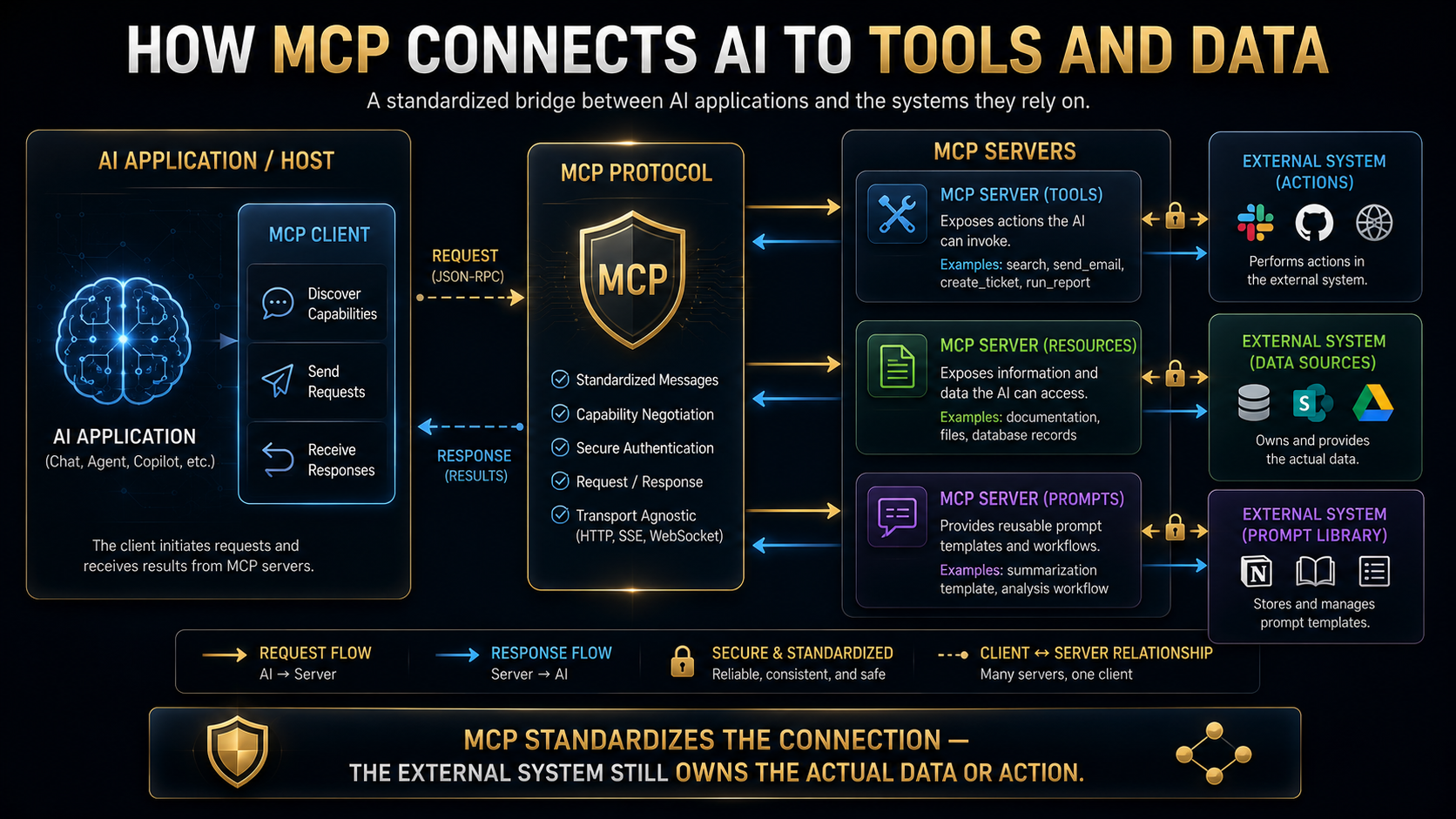
Model Context Protocol (MCP) is an open standard for connecting AI applications with external tools and data. Learn how MCP clients, servers, tools, resources, and prompts work together.
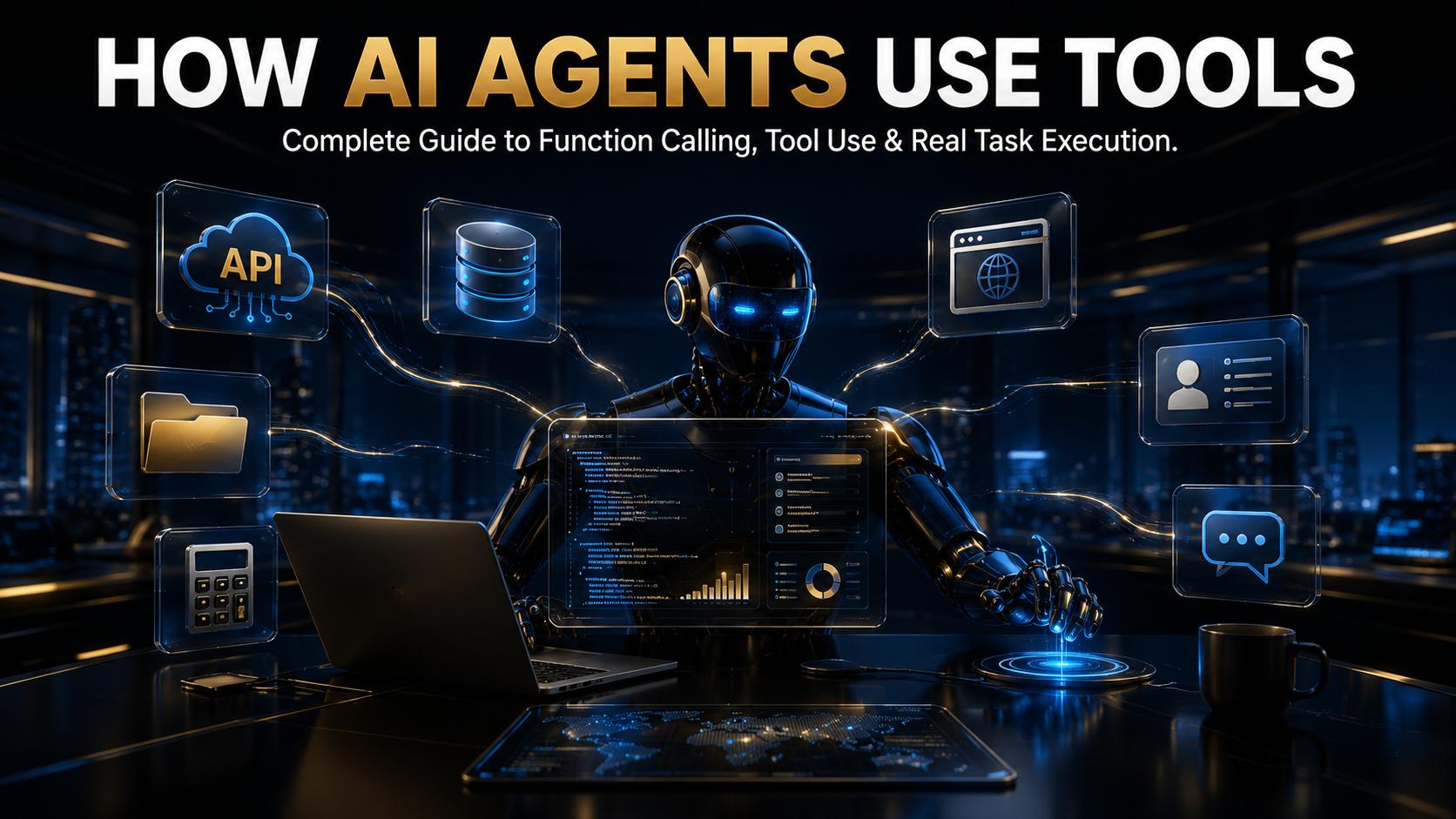
AI agents become useful when they can move beyond generating answers and interact with external tools. Learn how tool calling, APIs, MCP, validation, and human oversight turn an AI goal into real-world execution.
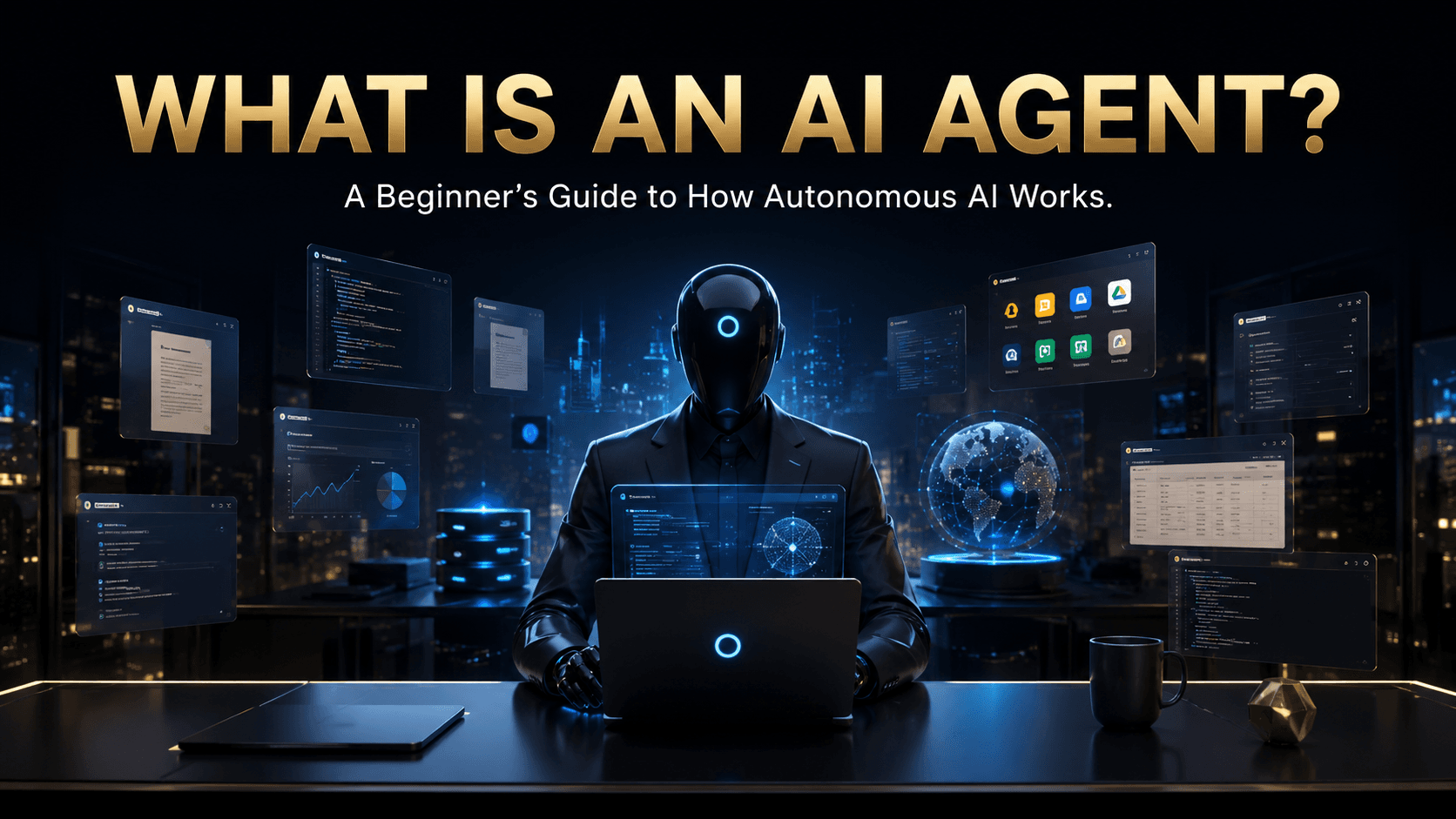
An AI agent does more than answer questions. Learn how agents pursue goals, use tools, manage context, take actions, and operate with guardrails.
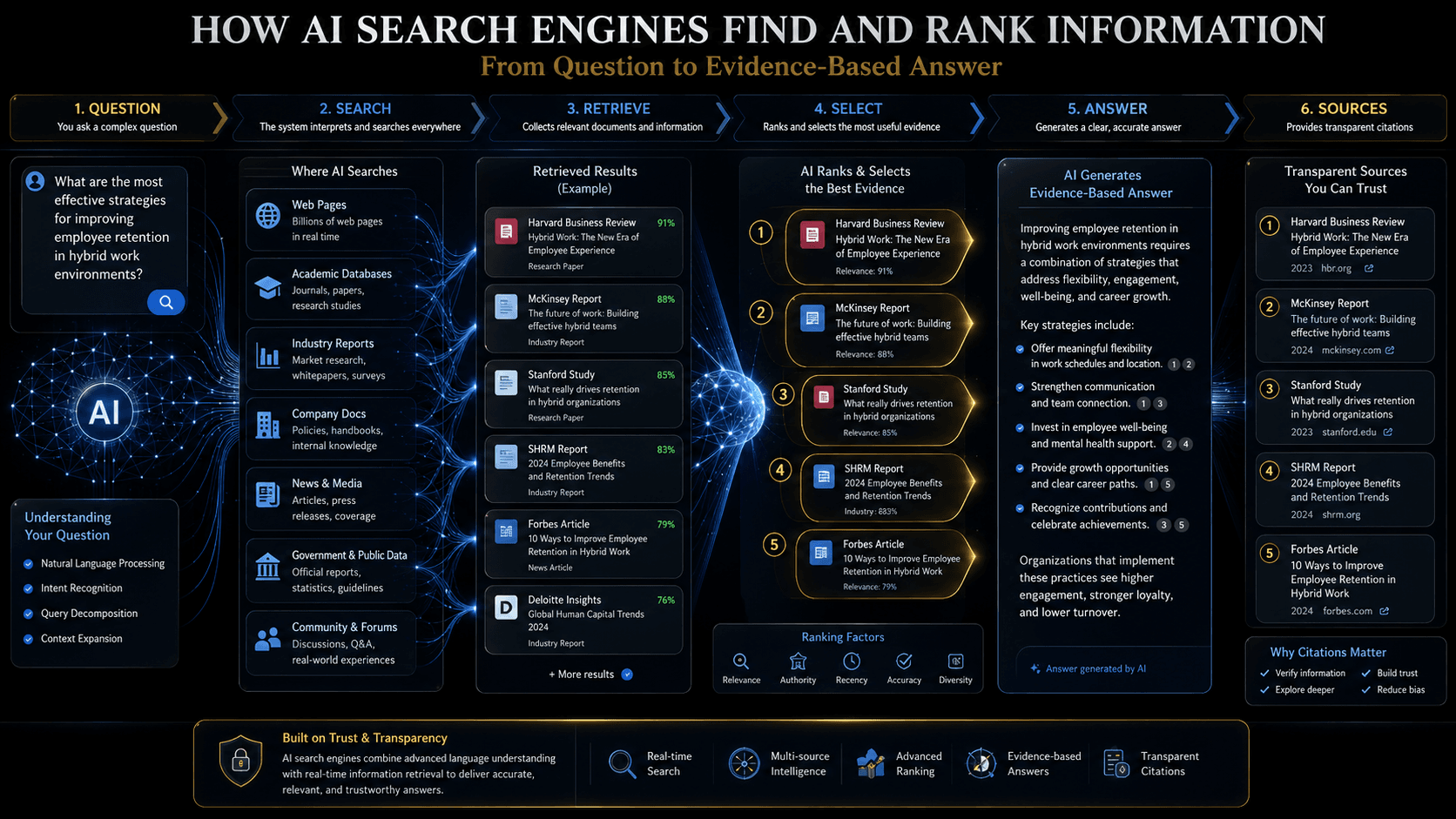
AI search engines do more than rank webpages. Learn how query understanding, retrieval, ranking, evidence selection, synthesis, and citations work together to produce AI-generated answers.
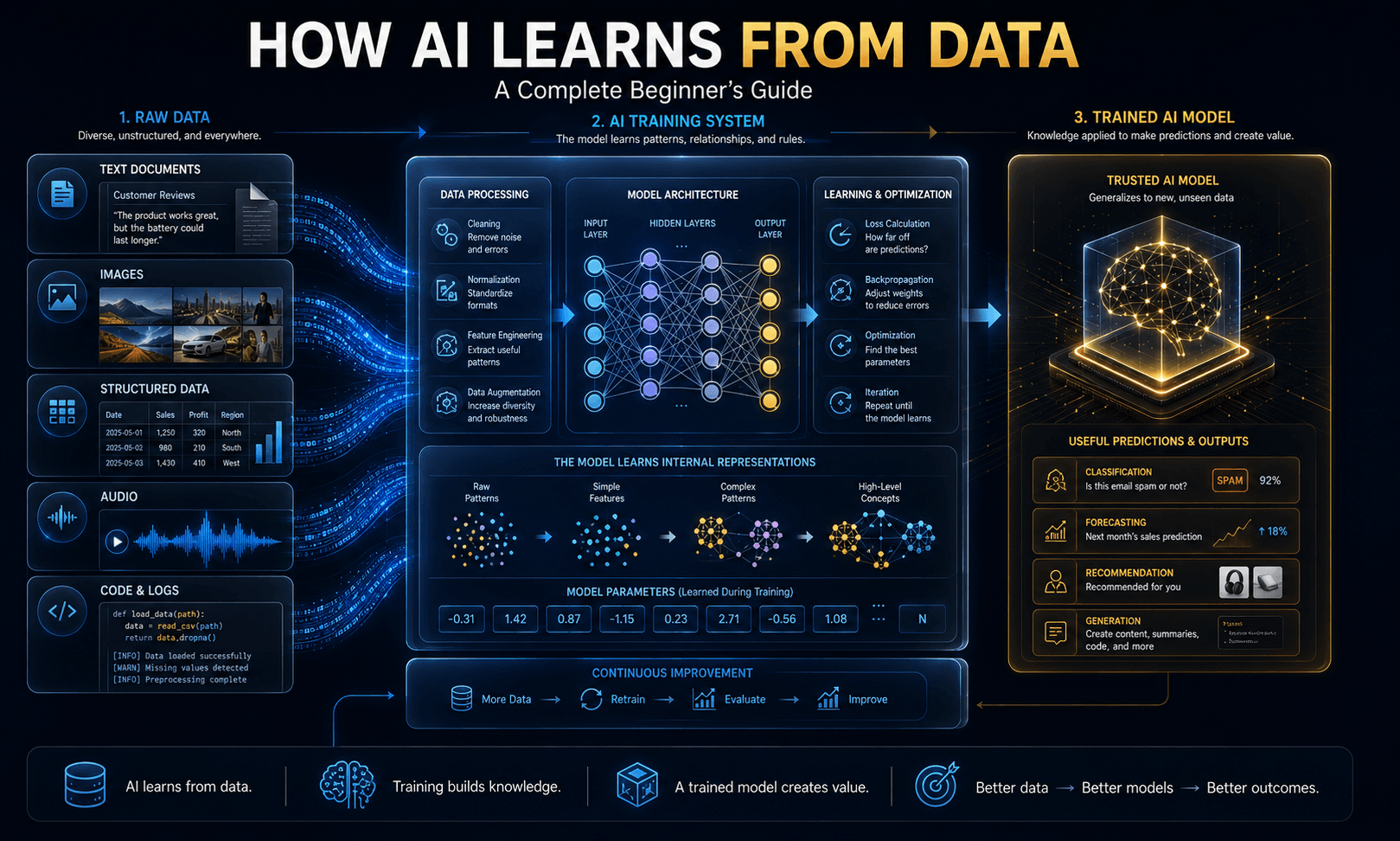
AI does not learn like a human. Discover how data, prediction, loss, parameter updates, training, evaluation, and generalization turn examples into useful AI models.
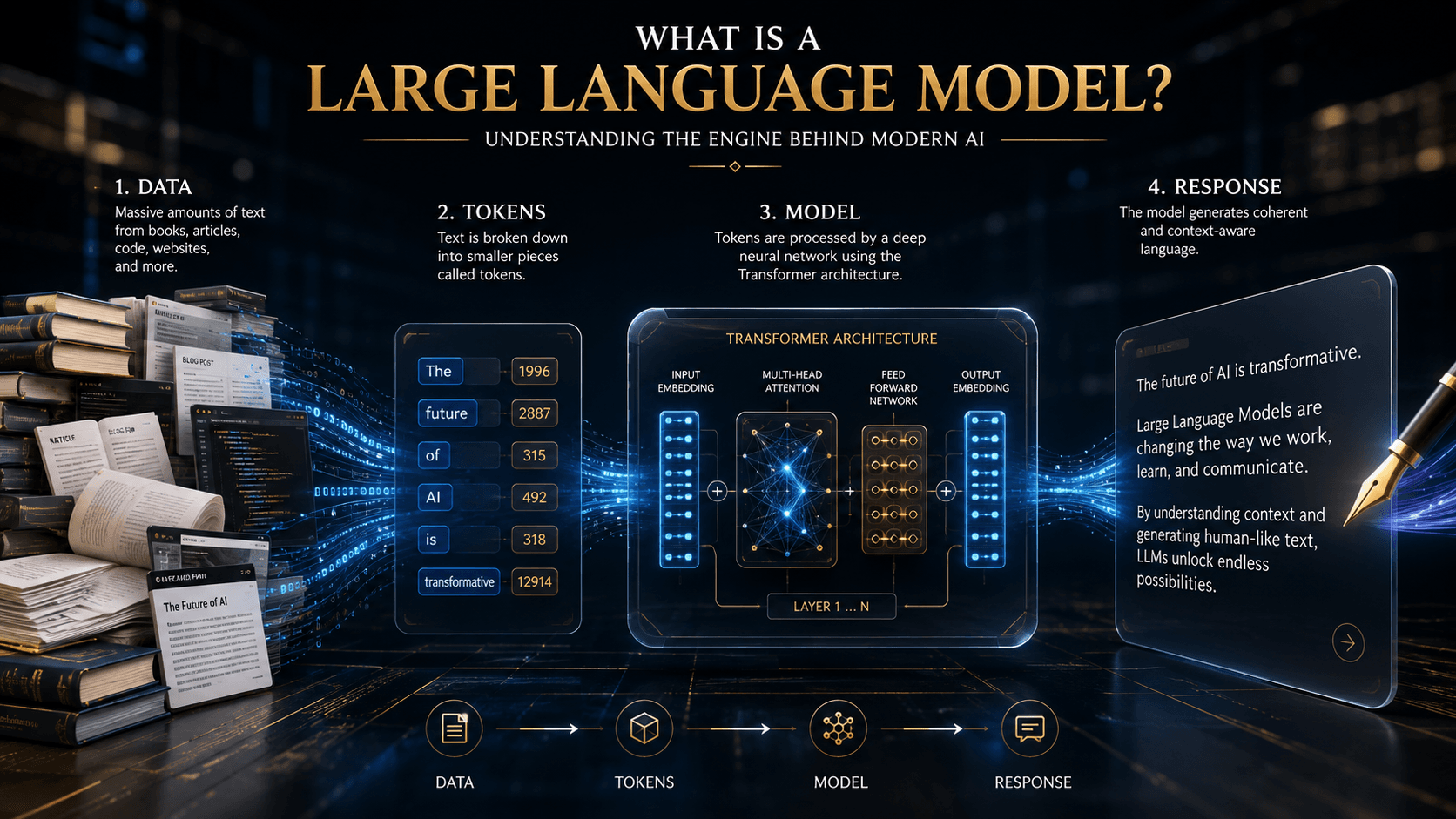
Large language models power many modern AI assistants, but they are more than giant databases. Learn how LLMs learn patterns, process tokens, generate responses, and where their capabilities stop.