Best AI Content Provenance & Detection Tools

AI detection, watermarking and provenance are not the same thing. Learn what each technology can actually verify, where it fails, and how to build a practical content-verification workflow.
Using AI responsibly: why AI gets things wrong, how to verify its answers, when decisions need human review, and how businesses govern AI risk.
Start here:
→ Human-in-the-Loop AI: When Automated Decisions Need Human Review
→ Understanding AI Hallucinations: Why AI Gives Wrong Answers
→ How to Verify AI Information: A Practical Accuracy Framework
→ How to Build an AI Risk Management Framework for Small and Mid-Sized Businesses
AI detection, watermarking and provenance are not the same thing. Learn what each technology can actually verify, where it fails, and how to build a practical content-verification workflow.
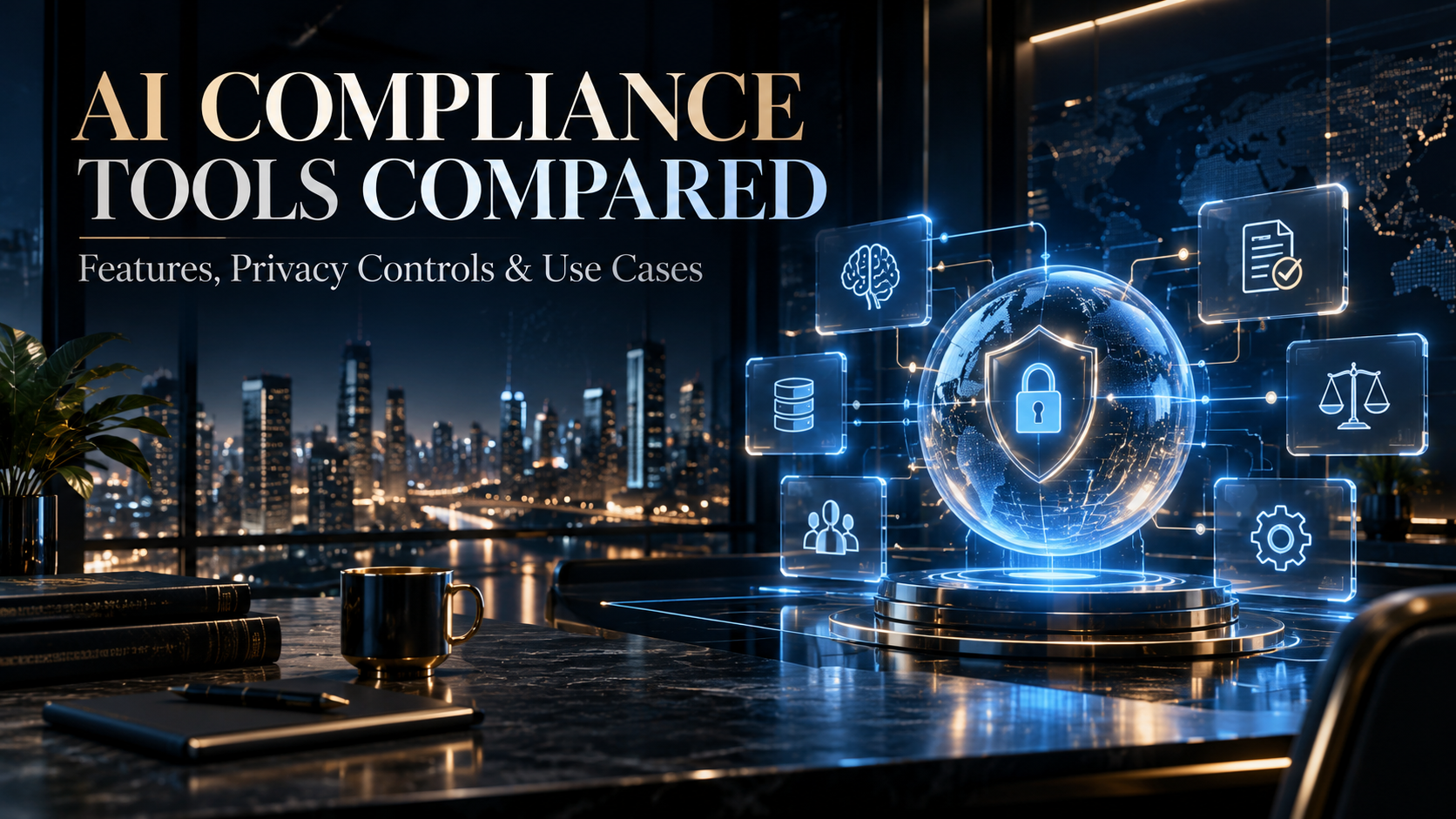
AI compliance tools help organizations discover AI systems, assess risk, manage controls, monitor changes, protect sensitive data, and maintain evidence. This guide compares the capabilities that matter most when choosing one.
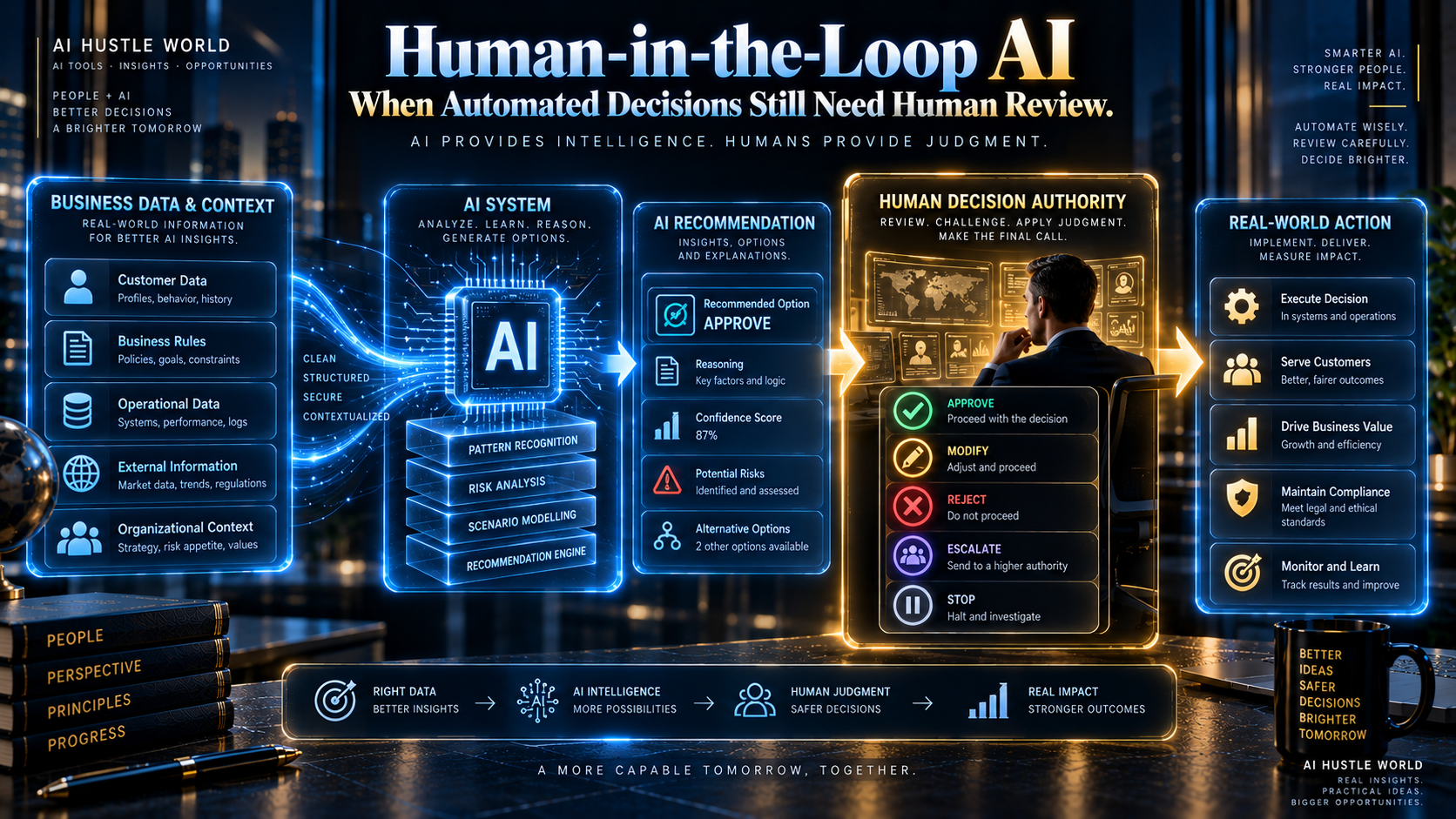
Human-in-the-loop AI is not simply putting a person at the end of an automated workflow. It means giving humans meaningful authority to understand, challenge, override, escalate, and stop AI-supported decisions when the consequences or context require it.
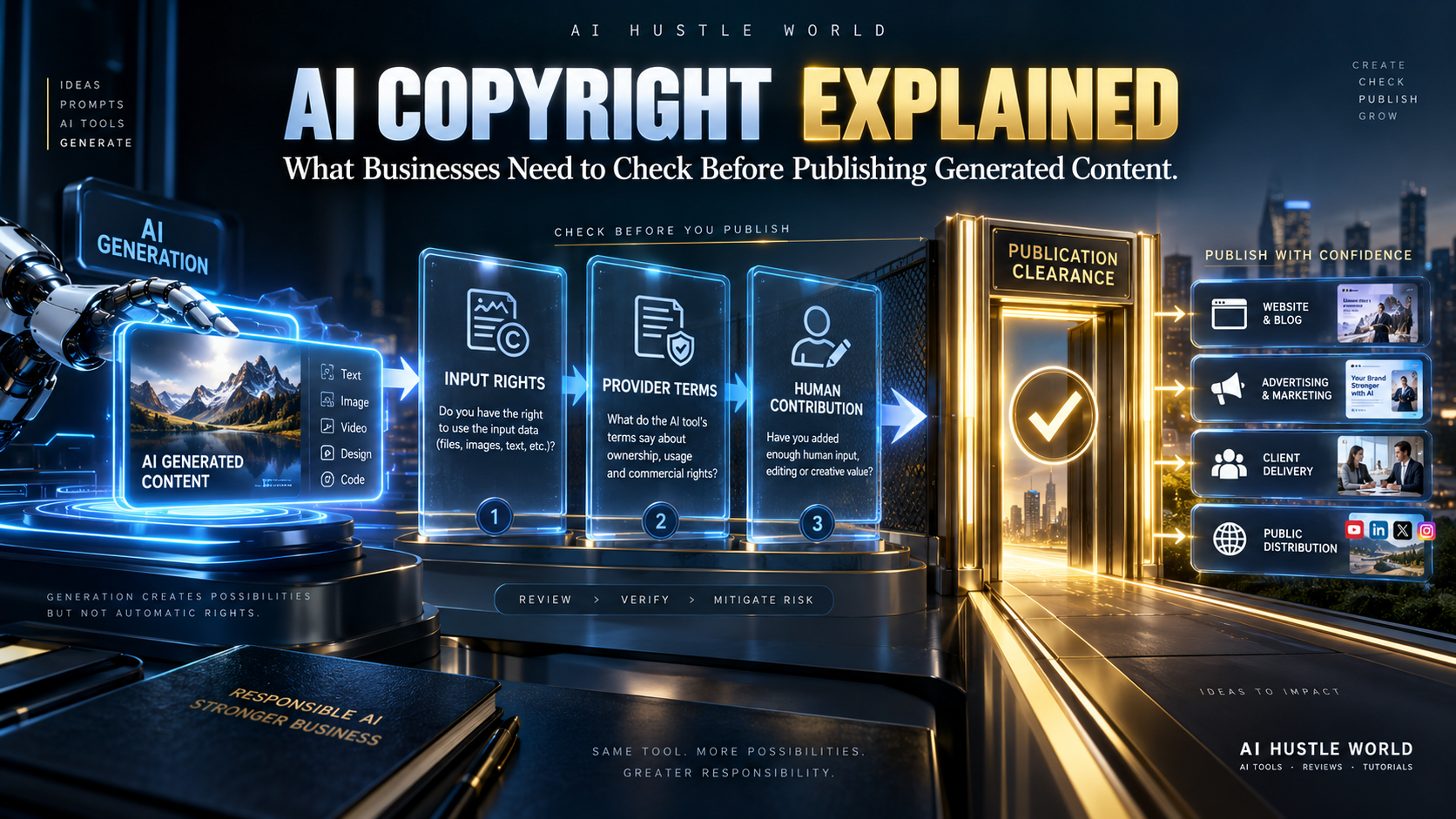
AI-generated content creates a practical copyright question for businesses: what can you use, what can you claim, and what should you verify before publishing?
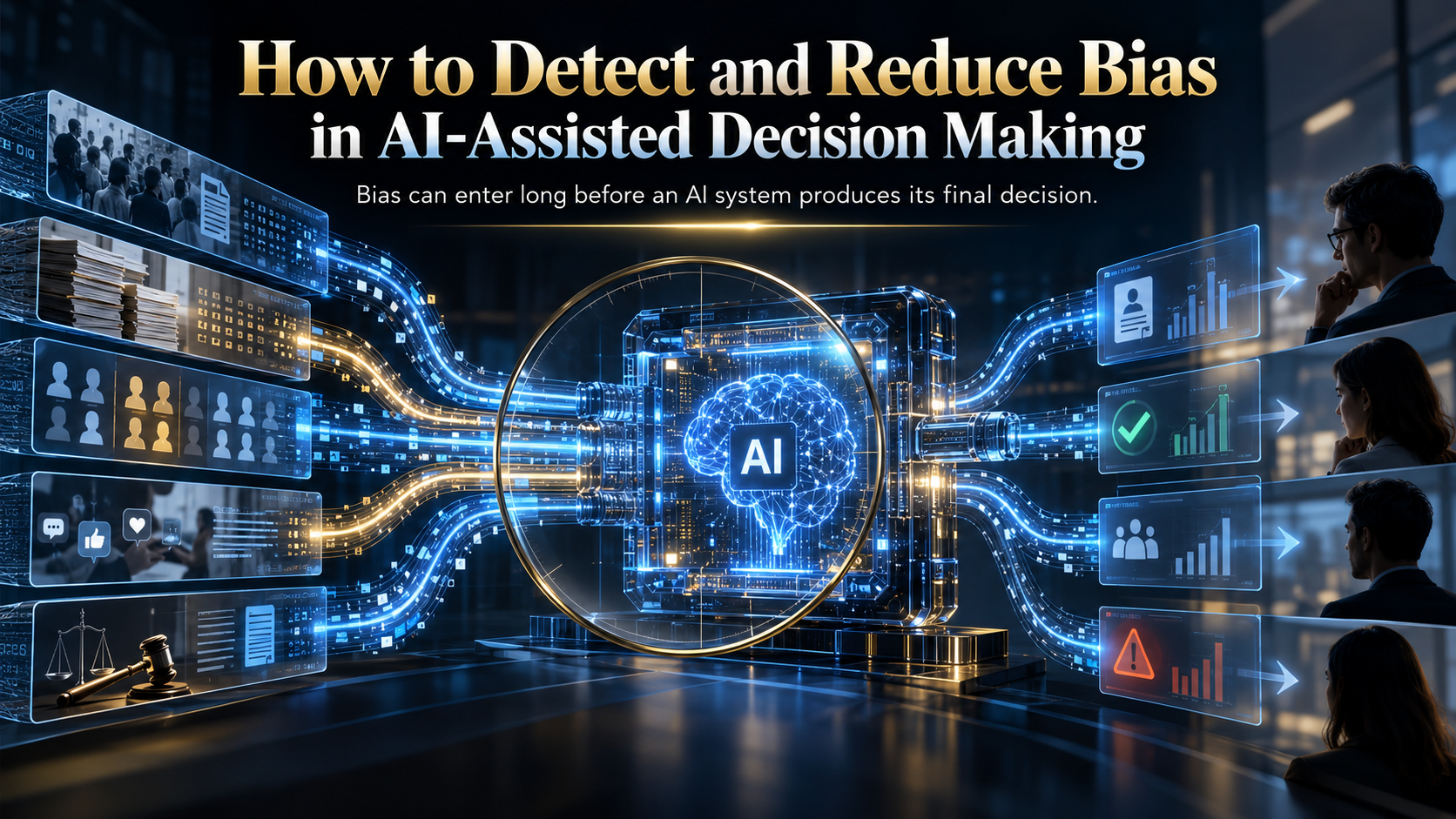
AI can reproduce bias through data, labels, features, models and human decisions. Learn how to detect disparities, find their causes and build practical controls.
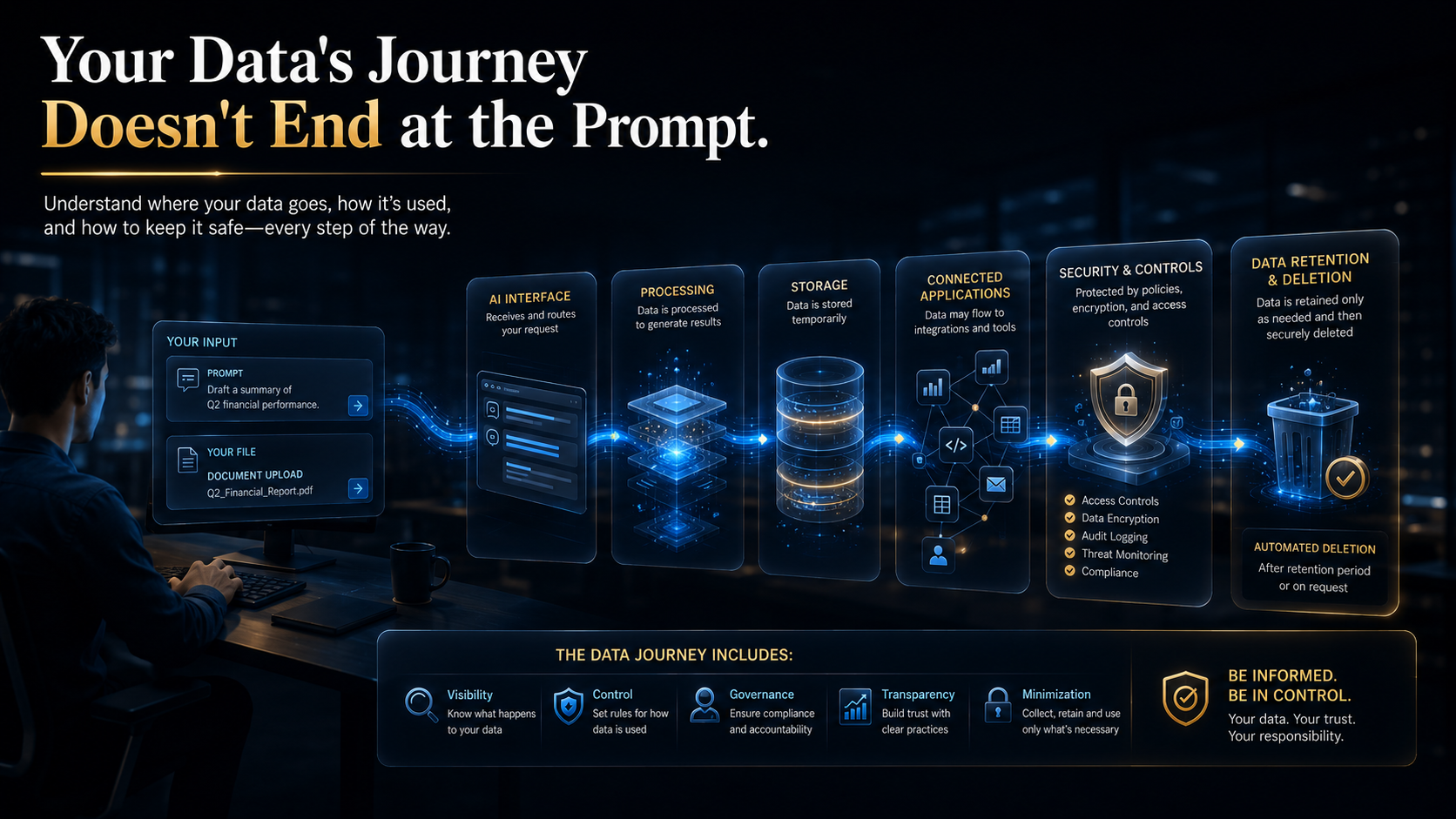
AI data retention is more than chat history. Learn how prompts, uploaded files, training, storage, connected apps and deletion can follow different data lifecycles.
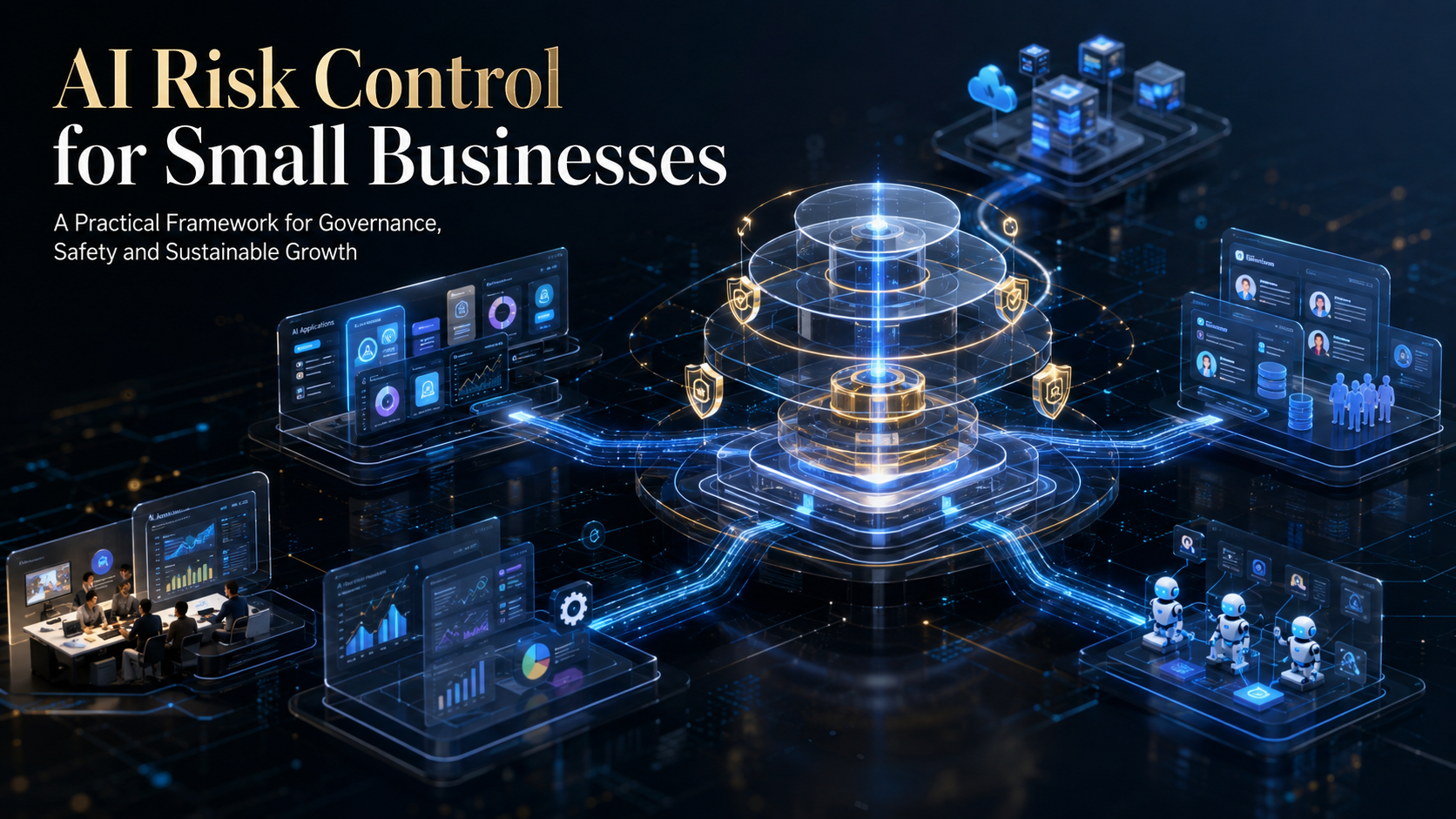
A practical guide to building an AI risk management framework for small and mid-sized businesses, from AI inventory and risk assessment to controls, monitoring, and reassessment.
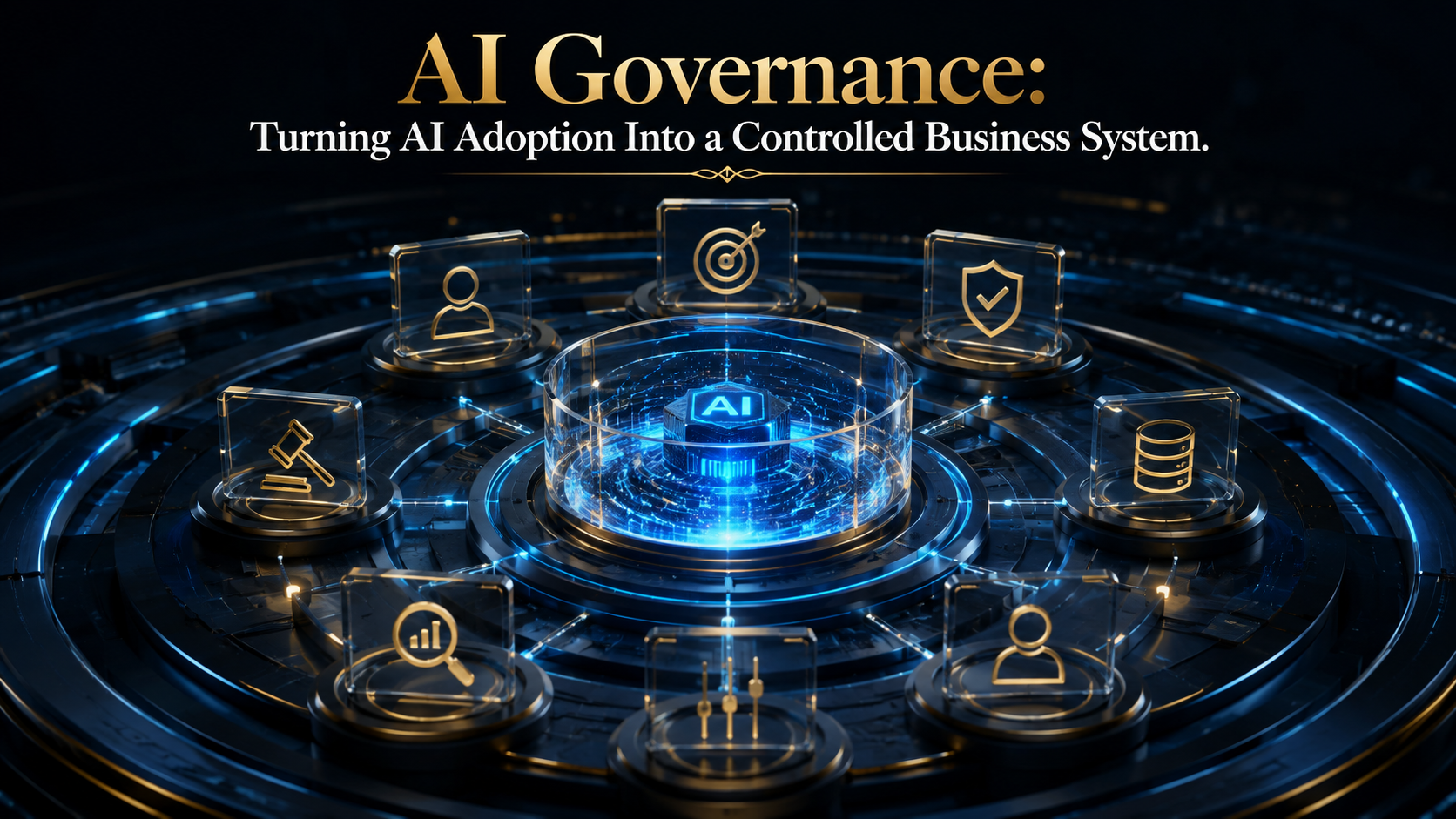
AI governance gives businesses a practical system for deciding how AI is approved, controlled, monitored, and held accountable. Learn how to build one without creating unnecessary bureaucracy.
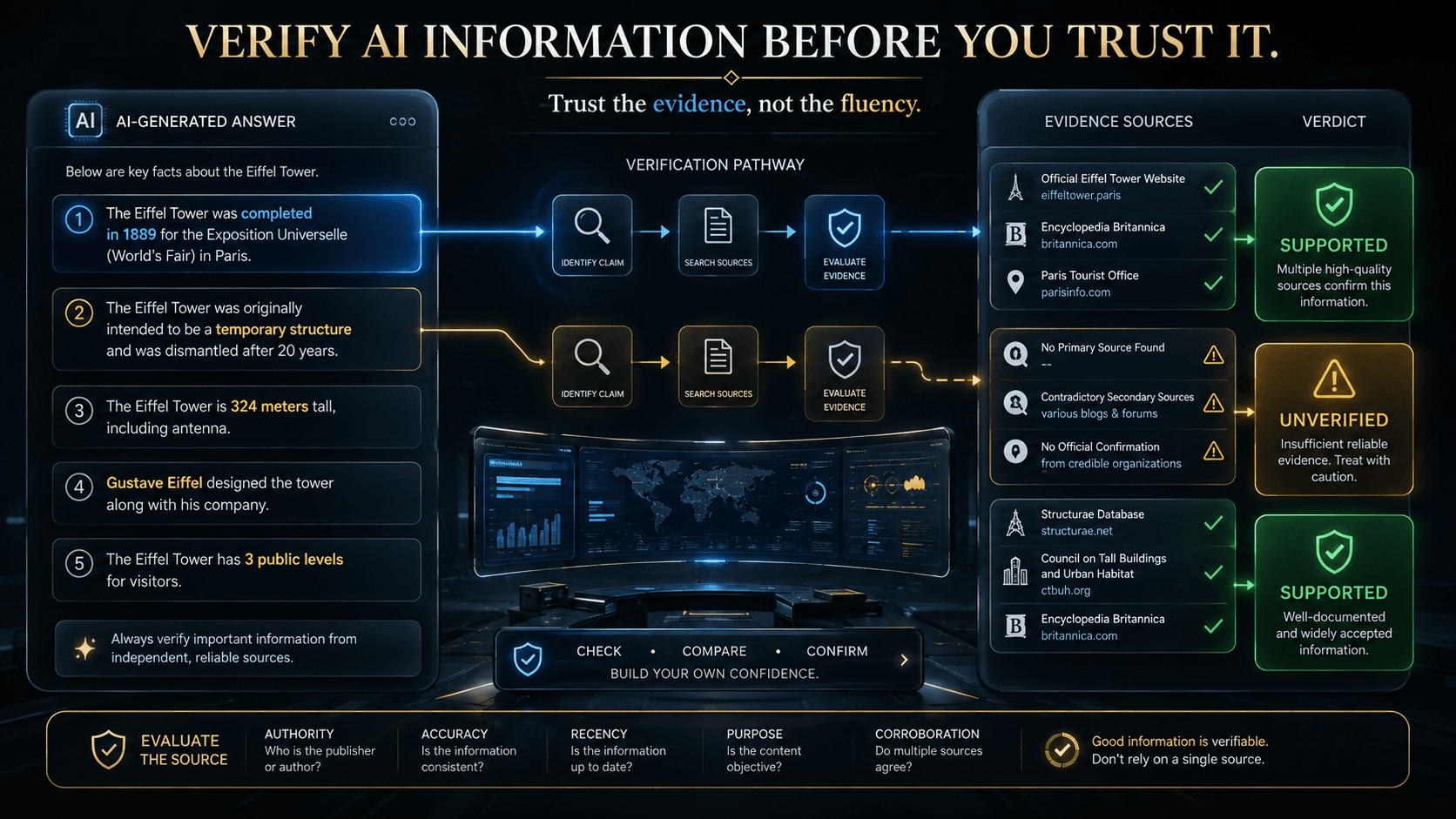
AI can produce plausible answers and even real-looking citations. Learn how to verify important claims using authoritative sources, scope, freshness, corroboration and a practical evidence ledger.
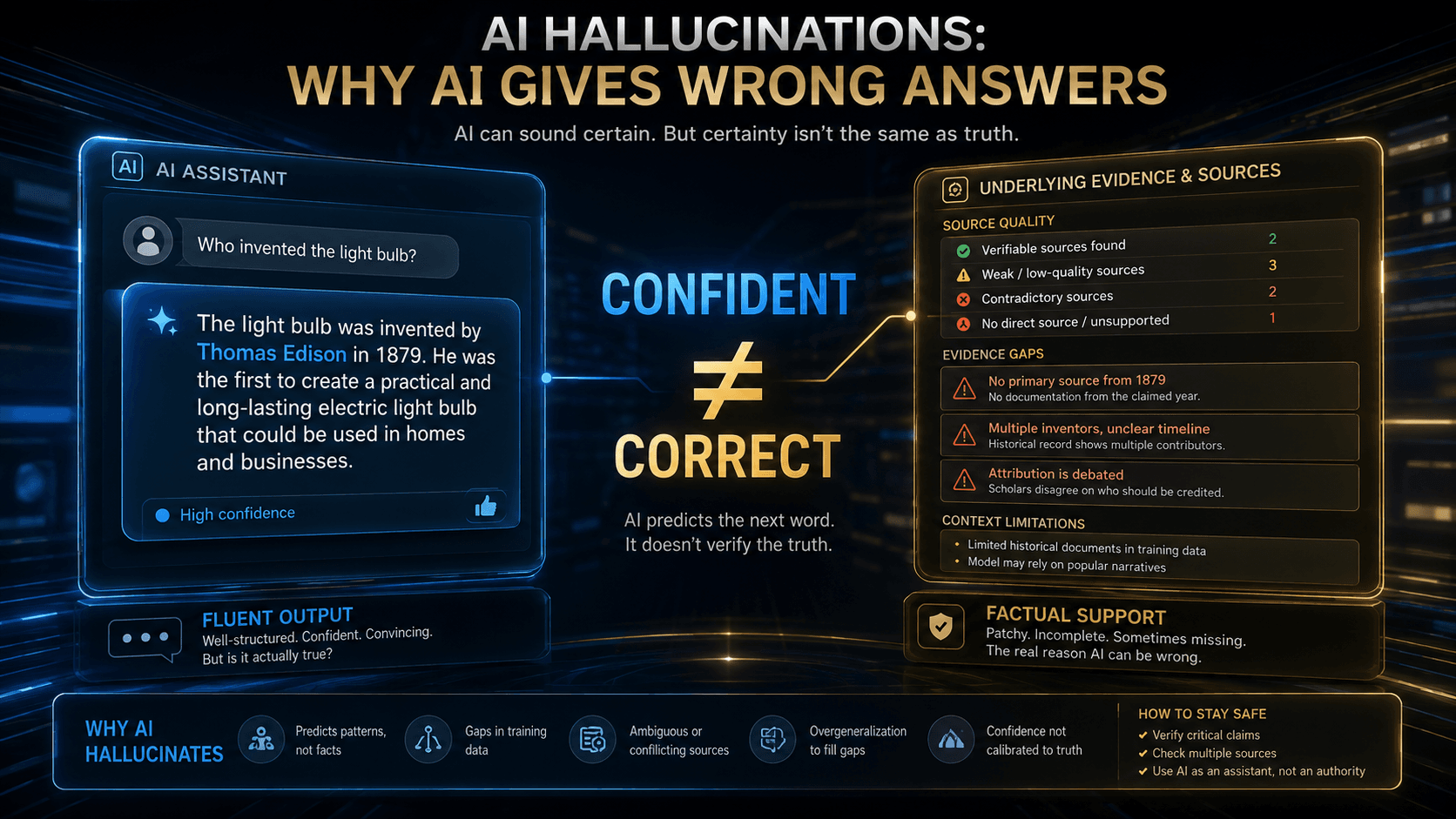
AI hallucinations are plausible but false outputs that can look authoritative. Learn why they happen, where the risk is highest, why RAG does not solve everything, and how to reduce the risk.