Local AI Explained: How Running AI Models on Your Own Hardware Works

How llama.cpp, Ollama, and quantization let you run AI models on your own hardware — real cost, hardware, and setup guidance, not just theory.
Plain-English explanations of how AI works under the hood, from large language models and AI agents to RAG, fine-tuning and running models locally.
Start here:
→ What Is an AI Agent? A Beginner’s Guide to How Autonomous AI Works
→ What Is a Large Language Model (LLM)? How LLMs Really Work
→ Complete Guide to Retrieval-Augmented Generation (RAG)
→ How AI Agents Use Tools to Complete Real Tasks
How llama.cpp, Ollama, and quantization let you run AI models on your own hardware — real cost, hardware, and setup guidance, not just theory.
Quantization explained: how INT8, INT4, GPTQ, AWQ, GGUF and QLoRA let you run AI models with less memory, with real memory math and quality data.
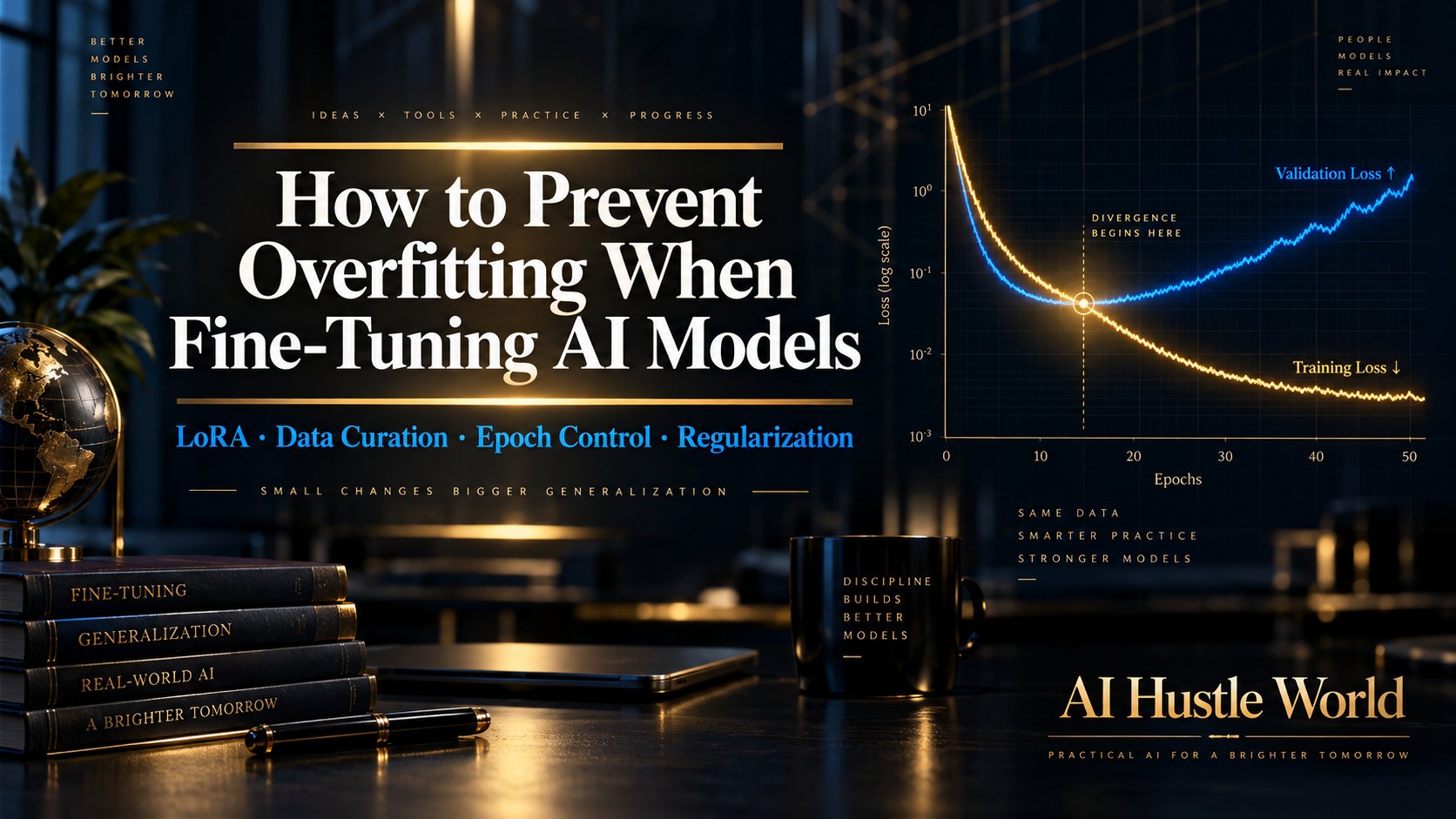
fine. This guide covers how to detect overfitting early and prevent it — with LoRA, data curation, epoch limits, and targeted regularization techniques backed by recent research
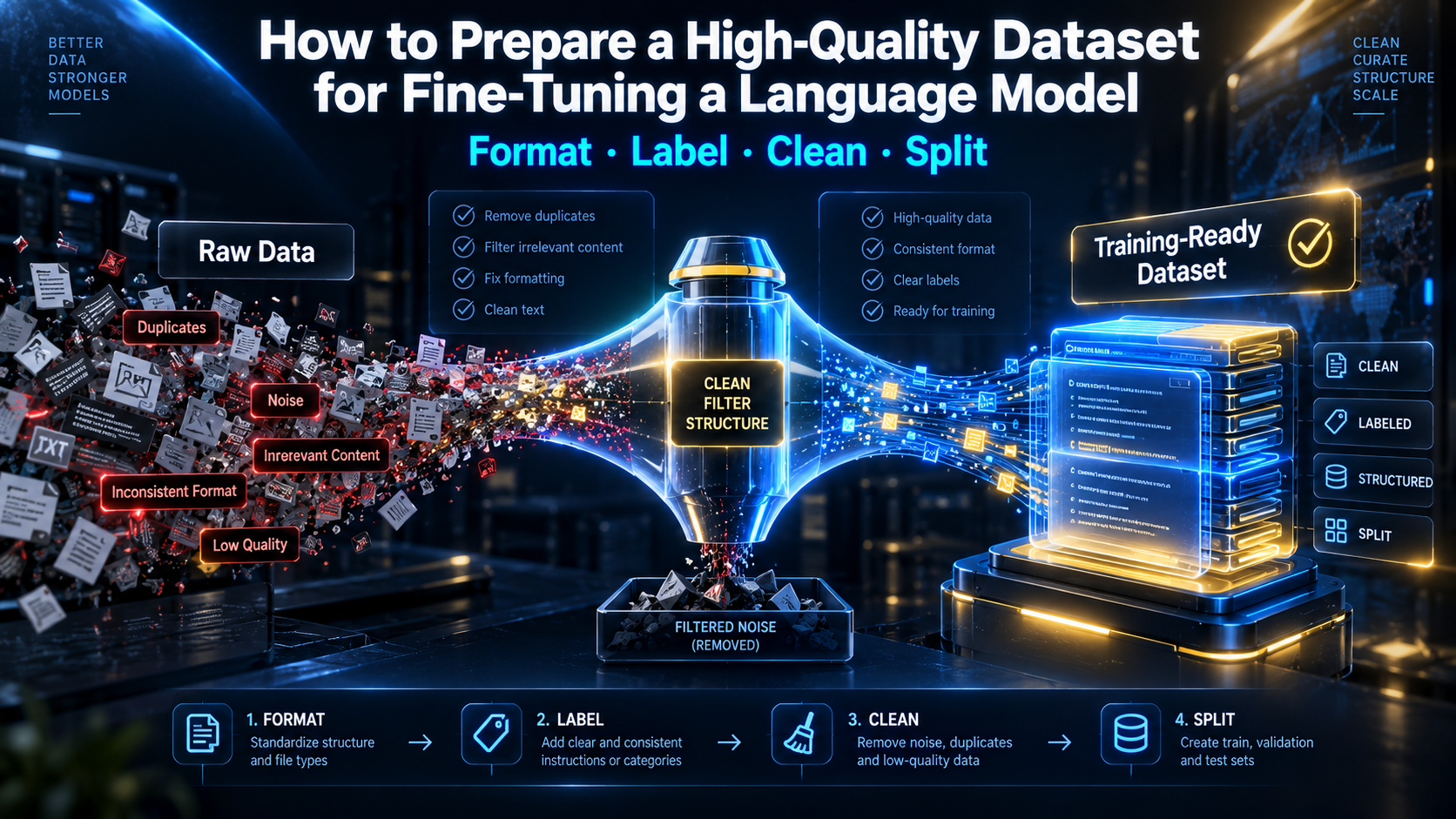
Most fine-tuning failures happen before training starts. Bad labels, missing EOS tokens, contaminated test sets — these are data bugs that show up as model bugs. This guide covers every stage of dataset preparation: format selection, cleaning, deduplication, labeling quality, splitting, and tokenization. With the research behind every claim.
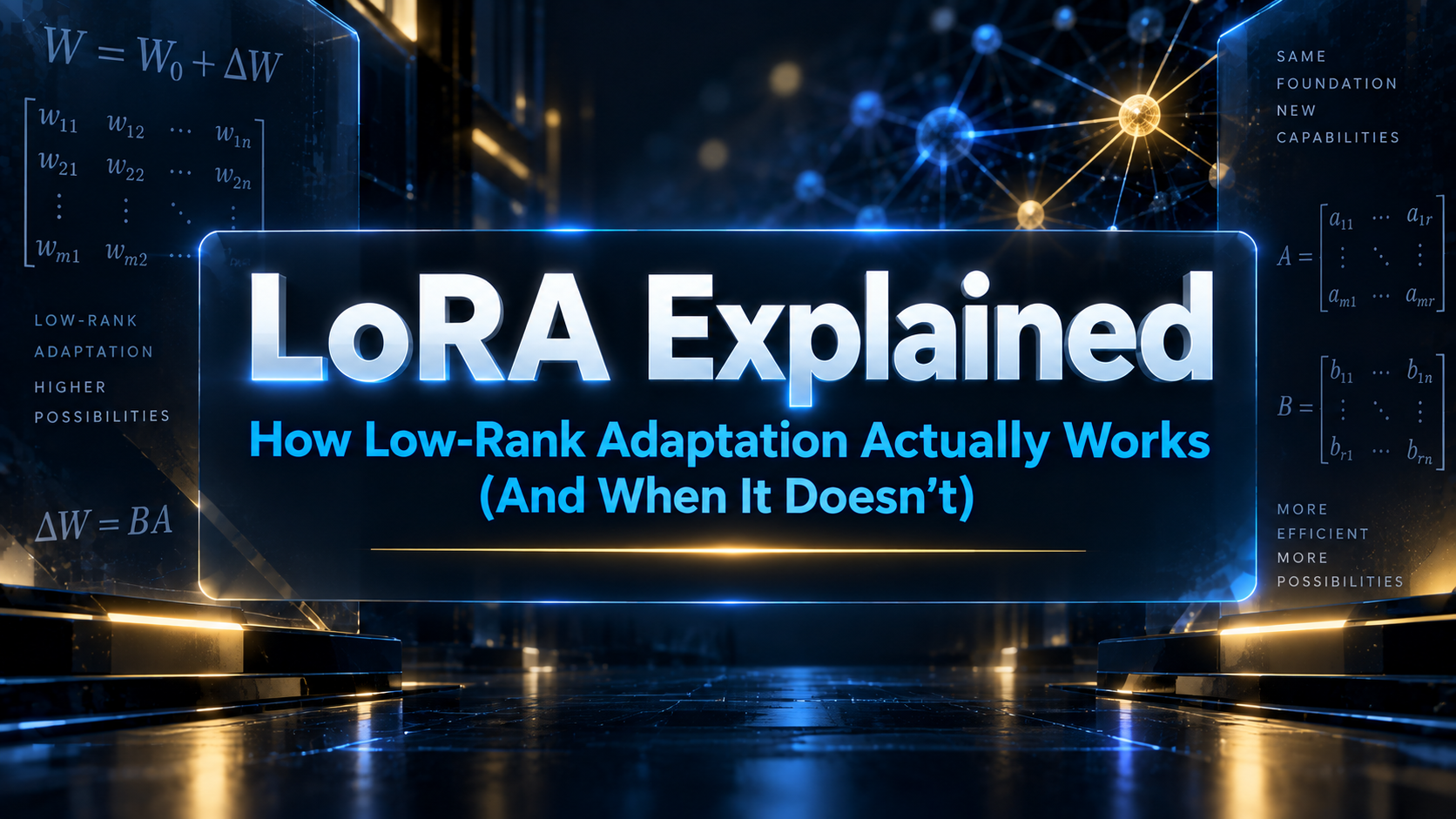
Changing rank without updating alpha silently halves your effective learning rate → Attention-only target modules is a 2021 default — MLP layers matter more → High rank on small data doesn’t improve accuracy; it causes overfitting → LoRA can degrade safety alignment even on clean datasets
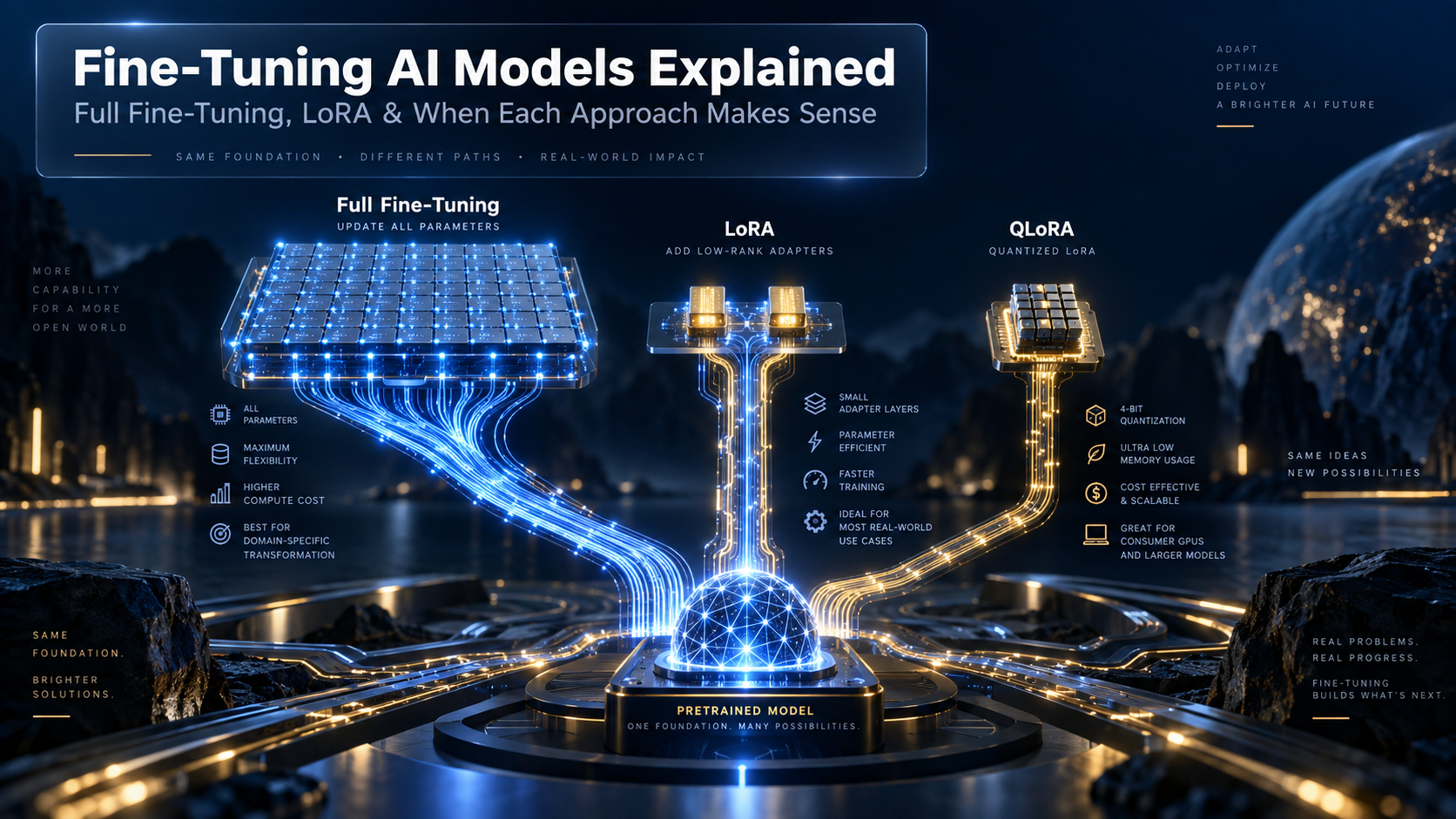
Fine-tuning adapts a pre-trained AI model to your specific task by updating its weights — but full fine-tuning, LoRA, and QLoRA solve this very differently. This guide breaks down how each method works, what it actually costs in VRAM and dollars, how much data you need by task type, and which approach to choose using the AHW Fine-Tuning Decision Matrix 2026.
Role prompting can sharpen an AI’s tone and audience fit, but the research shows it often does nothing for accuracy and can even raise bias and safety risks. Here’s what the evidence actually says, plus a framework for deciding when to use it and how to test whether a persona is really helping.
A real six-stage AI-assisted podcast workflow, the two checkpoints you can’t skip, and an honest look at whether AI actually saves time on a show.
AI music generation explained: how AI composes, arranges and produces tracks, the legal fight over training data, and a framework for judging results.
A practical guide to controlling tone, pace, and pronunciation in AI narration: voice and emotional settings, the stability/similarity/style sliders, SSML markup, pronunciation dictionaries, and a repeatable workflow for getting it right the first time.